
The Vineyard of the Masters
The Vineyard of the Masters
The Vineyard of the Masters is a cultural and memorial initiative by Trinity Canyon Vineyards honoring the pioneers who shaped Armenia's winemaking heritage. Memorial stones placed among the vineyard rows commemorate influential figures, with a new stone added each year during the traditional Grape Blessing celebrations.
Alongside it, The Masters’ Grove is restoring and planting a forest near the winery, with each tree dedicated to a prominent figure in Armenian culture. Together, the projects connect Armenian heritage, nature, and winemaking while inviting the public to participate through volunteering and support.

The Masters

Gevorg Grdzelyan
(Parsadani)
1884–1977
Pioneer of Scientific Viticulture in Armenia
Gevorg Grdzelyan
(Parsadani)
1884–1977
Pioneer of Scientific Viticulture in Armenia
Gevorg Grdzelyan
(Parsadani)
1884–1977
Pioneer of Scientific Viticulture in Armenia
Gevorg Parsadani Grdzelyan helped lay the scientific foundations of modern viticulture in Armenia. Through his research, teaching, and work with Armenian grapevines, he connected the country’s ancient winemaking heritage with modern agricultural science and influenced generations of viticulturists.
Gevorg Parsadani Grdzelyan helped lay the scientific foundations of modern viticulture in Armenia. Through his research, teaching, and work with Armenian grapevines, he connected the country’s ancient winemaking heritage with modern agricultural science and influenced generations of viticulturists.
BIO
1884 — Birth
Born on January 5 in Suram, Tiflis Governorate. He later received his education at the Nersisian School in Tiflis.
1902 — Nersisian School
Graduated from the Nersisian School, an important Armenian educational institution in Tiflis.
1910 — Agricultural studies in France
Graduated from the Agricultural School of Montpellier as an agricultural engineer, gaining advanced training in European agricultural science.
1911 — Agricultural work in Pambak
Joined the Armenian Agricultural Society in Tiflis. In Mets Gharakilisa (present-day Vanadzor), he established a demonstration field and vegetable garden, introduced tomato cultivation, worked to combat plant pests, and organized two-year agricultural courses.
1912 — Specialist in horticulture and winemaking
Moved to Yerevan and was appointed senior specialist in horticulture and winemaking at the Department of Agriculture.
1916 — Armenian Agricultural Society
Elected chairman of the Armenian Agricultural Societies in Tiflis.
1921 — Agricultural research and administration
Appointed senior horticulture specialist and later head of the Agricultural Department, continuing his work in agricultural development.
1922 — Teaching at Yerevan State University
Joined Yerevan State University as a lecturer in phytopathology at the Faculty of Agriculture.
1923 — Head of the Department of Horticulture
Appointed head of the Department of Horticulture, where he continued teaching and research until 1937.
1936 — Dean of Horticulture
Appointed Dean of the Faculty of Horticulture at the Agricultural Institute.
1937 — Arrest
Arrested on November 3 during the period of political repression in Soviet Armenia.
1941–1943 — Imprisonment
Sentenced to five years in a corrective labor camp in 1941 and released in September 1943.
1950s — Scientific work in viticulture
Continued his research and educational work in horticulture and viticulture, contributing to the scientific study and cultivation of Armenian grapevines.
1955 — Vine frost research
Published Frost Damage to Grapevines and Methods of Combating It, addressing the protection and cultivation of grapevines under Armenia’s climatic conditions.
1956–1961 — Ministry of Agriculture
Served as a senior inspector in the Main Directorate of Science of the Ministry of Agriculture of the Armenian SSR.
1957 — Publication on vine cultivation
Published Horticulture: Methods of Vine Propagation and Vineyard Cultivation, an important practical work on vine propagation and vineyard management.
1961–1966 — Educator and specialist
Continued teaching as an associate professor in the Department of Horticulture at the Agricultural Institute.
1966 — End of academic career
Concluded his long teaching career while remaining an influential figure in Armenian agricultural science.
1977 — Death
Died on August 31 in Yerevan at the age of 93.
Read More ↓
BIO
1884 — Birth
Born on January 5 in Suram, Tiflis Governorate. He later received his education at the Nersisian School in Tiflis.
1902 — Nersisian School
Graduated from the Nersisian School, an important Armenian educational institution in Tiflis.
1910 — Agricultural studies in France
Graduated from the Agricultural School of Montpellier as an agricultural engineer, gaining advanced training in European agricultural science.
1911 — Agricultural work in Pambak
Joined the Armenian Agricultural Society in Tiflis. In Mets Gharakilisa (present-day Vanadzor), he established a demonstration field and vegetable garden, introduced tomato cultivation, worked to combat plant pests, and organized two-year agricultural courses.
1912 — Specialist in horticulture and winemaking
Moved to Yerevan and was appointed senior specialist in horticulture and winemaking at the Department of Agriculture.
1916 — Armenian Agricultural Society
Elected chairman of the Armenian Agricultural Societies in Tiflis.
1921 — Agricultural research and administration
Appointed senior horticulture specialist and later head of the Agricultural Department, continuing his work in agricultural development.
1922 — Teaching at Yerevan State University
Joined Yerevan State University as a lecturer in phytopathology at the Faculty of Agriculture.
1923 — Head of the Department of Horticulture
Appointed head of the Department of Horticulture, where he continued teaching and research until 1937.
1936 — Dean of Horticulture
Appointed Dean of the Faculty of Horticulture at the Agricultural Institute.
1937 — Arrest
Arrested on November 3 during the period of political repression in Soviet Armenia.
1941–1943 — Imprisonment
Sentenced to five years in a corrective labor camp in 1941 and released in September 1943.
1950s — Scientific work in viticulture
Continued his research and educational work in horticulture and viticulture, contributing to the scientific study and cultivation of Armenian grapevines.
1955 — Vine frost research
Published Frost Damage to Grapevines and Methods of Combating It, addressing the protection and cultivation of grapevines under Armenia’s climatic conditions.
1956–1961 — Ministry of Agriculture
Served as a senior inspector in the Main Directorate of Science of the Ministry of Agriculture of the Armenian SSR.
1957 — Publication on vine cultivation
Published Horticulture: Methods of Vine Propagation and Vineyard Cultivation, an important practical work on vine propagation and vineyard management.
1961–1966 — Educator and specialist
Continued teaching as an associate professor in the Department of Horticulture at the Agricultural Institute.
1966 — End of academic career
Concluded his long teaching career while remaining an influential figure in Armenian agricultural science.
1977 — Death
Died on August 31 in Yerevan at the age of 93.
Read More ↓
BIO
1884 — Birth
Born on January 5 in Suram, Tiflis Governorate. He later received his education at the Nersisian School in Tiflis.
1902 — Nersisian School
Graduated from the Nersisian School, an important Armenian educational institution in Tiflis.
1910 — Agricultural studies in France
Graduated from the Agricultural School of Montpellier as an agricultural engineer, gaining advanced training in European agricultural science.
1911 — Agricultural work in Pambak
Joined the Armenian Agricultural Society in Tiflis. In Mets Gharakilisa (present-day Vanadzor), he established a demonstration field and vegetable garden, introduced tomato cultivation, worked to combat plant pests, and organized two-year agricultural courses.
1912 — Specialist in horticulture and winemaking
Moved to Yerevan and was appointed senior specialist in horticulture and winemaking at the Department of Agriculture.
1916 — Armenian Agricultural Society
Elected chairman of the Armenian Agricultural Societies in Tiflis.
1921 — Agricultural research and administration
Appointed senior horticulture specialist and later head of the Agricultural Department, continuing his work in agricultural development.
1922 — Teaching at Yerevan State University
Joined Yerevan State University as a lecturer in phytopathology at the Faculty of Agriculture.
1923 — Head of the Department of Horticulture
Appointed head of the Department of Horticulture, where he continued teaching and research until 1937.
1936 — Dean of Horticulture
Appointed Dean of the Faculty of Horticulture at the Agricultural Institute.
1937 — Arrest
Arrested on November 3 during the period of political repression in Soviet Armenia.
1941–1943 — Imprisonment
Sentenced to five years in a corrective labor camp in 1941 and released in September 1943.
1950s — Scientific work in viticulture
Continued his research and educational work in horticulture and viticulture, contributing to the scientific study and cultivation of Armenian grapevines.
1955 — Vine frost research
Published Frost Damage to Grapevines and Methods of Combating It, addressing the protection and cultivation of grapevines under Armenia’s climatic conditions.
1956–1961 — Ministry of Agriculture
Served as a senior inspector in the Main Directorate of Science of the Ministry of Agriculture of the Armenian SSR.
1957 — Publication on vine cultivation
Published Horticulture: Methods of Vine Propagation and Vineyard Cultivation, an important practical work on vine propagation and vineyard management.
1961–1966 — Educator and specialist
Continued teaching as an associate professor in the Department of Horticulture at the Agricultural Institute.
1966 — End of academic career
Concluded his long teaching career while remaining an influential figure in Armenian agricultural science.
1977 — Death
Died on August 31 in Yerevan at the age of 93.
Read More ↓
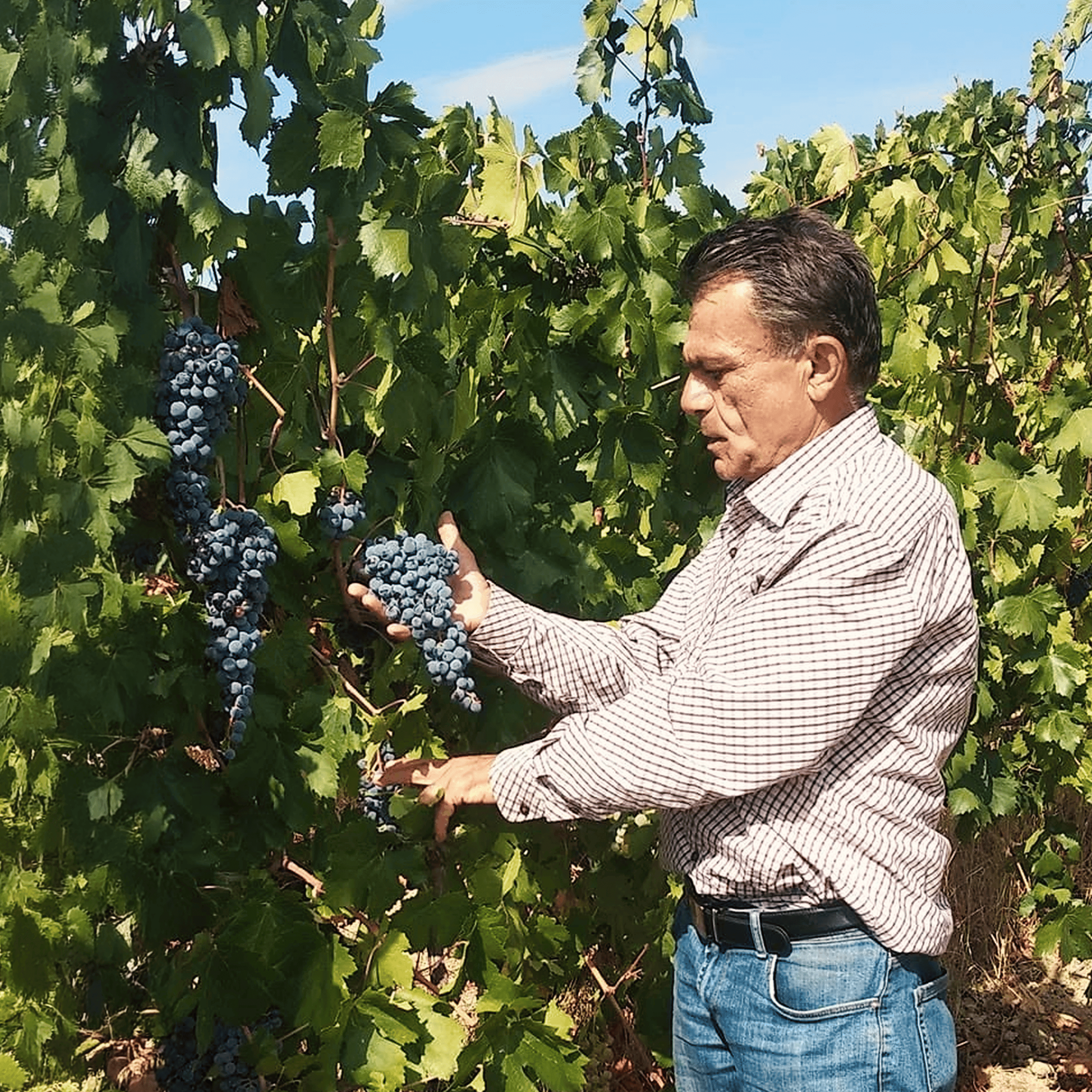
Gagik Melyan
1958–2020s
Guardian of Armenia's Grape Heritage
Gagik Melyan
1958–2020s
Guardian of Armenia's Grape Heritage
Remembered as one of the key scientists who helped restore Armenia's living grapevine heritage, bringing together field research, ampelography, genetics, and historical knowledge to preserve Armenian grape varieties for future generations.
His achievement was not simply to study Armenia’s grape heritage, but to help bring part of that heritage back into existence as a living scientific collection.
Remembered as one of the key scientists who helped restore Armenia's living grapevine heritage, bringing together field research, ampelography, genetics, and historical knowledge to preserve Armenian grape varieties for future generations.
His achievement was not simply to study Armenia’s grape heritage, but to help bring part of that heritage back into existence as a living scientific collection.
BIO
1958 — Birth
Born in Yerevan, Armenia.
Late 1970s–1980s — Agricultural education
Studied at the Timiryazev Agricultural Academy in Moscow, specializing in agricultural science.
1990 — Candidate of Agricultural Sciences
Received his Candidate of Agricultural Sciences degree and began building his career as a specialist in viticulture.
1990s — Scientific research
Worked at Armenia’s Research Institute of Viticulture, Winemaking and Fruit Growing, conducting research in grape breeding and viticulture.
2000s — Searching for lost varieties
Began extensive fieldwork across Armenia, visiting old vineyards, rural communities, and household gardens in search of neglected and endangered grape varieties.
2006 — Armenian grapevine material abroad
Grape cuttings collected by Melyan, including varieties such as Garan Dmak and Karmir Kechani, were documented in a USDA agricultural expedition.
2010s — Rebuilding Armenia’s grape heritage
Played a major role in recovering Armenian grapevine diversity lost after the destruction of the Soviet-era national collection. He is credited with collecting approximately 300 grapevine genotypes.
2017 — Genetic research
Participated in molecular research identifying and characterizing Armenian grapevine cultivars, combining traditional ampelography with modern genetic analysis.
2018 — National grapevine collection
Contributed to the reconstruction and conservation of Armenia’s national grapevine collection, helping preserve varieties recovered from old vineyards.
2019 — Ampelography
Co-authored Ampelography with Derenik Safaryan and Avetik Nersisyan, documenting 55 indigenous Armenian grape varieties and 34 newly bred cultivars.
2020s — His field collections became an important foundation for subsequent genetic research into Armenian grapevine diversity. Following his death, fellow researchers continued to recognize his contribution to recovering neglected Armenian grape varieties.
Read More ↓
BIO
1958 — Birth
Born in Yerevan, Armenia.
Late 1970s–1980s — Agricultural education
Studied at the Timiryazev Agricultural Academy in Moscow, specializing in agricultural science.
1990 — Candidate of Agricultural Sciences
Received his Candidate of Agricultural Sciences degree and began building his career as a specialist in viticulture.
1990s — Scientific research
Worked at Armenia’s Research Institute of Viticulture, Winemaking and Fruit Growing, conducting research in grape breeding and viticulture.
2000s — Searching for lost varieties
Began extensive fieldwork across Armenia, visiting old vineyards, rural communities, and household gardens in search of neglected and endangered grape varieties.
2006 — Armenian grapevine material abroad
Grape cuttings collected by Melyan, including varieties such as Garan Dmak and Karmir Kechani, were documented in a USDA agricultural expedition.
2010s — Rebuilding Armenia’s grape heritage
Played a major role in recovering Armenian grapevine diversity lost after the destruction of the Soviet-era national collection. He is credited with collecting approximately 300 grapevine genotypes.
2017 — Genetic research
Participated in molecular research identifying and characterizing Armenian grapevine cultivars, combining traditional ampelography with modern genetic analysis.
2018 — National grapevine collection
Contributed to the reconstruction and conservation of Armenia’s national grapevine collection, helping preserve varieties recovered from old vineyards.
2019 — Ampelography
Co-authored Ampelography with Derenik Safaryan and Avetik Nersisyan, documenting 55 indigenous Armenian grape varieties and 34 newly bred cultivars.
2020s — His field collections became an important foundation for subsequent genetic research into Armenian grapevine diversity. Following his death, fellow researchers continued to recognize his contribution to recovering neglected Armenian grape varieties.
Read More ↓
BIO
1958 — Birth
Born in Yerevan, Armenia.
Late 1970s–1980s — Agricultural education
Studied at the Timiryazev Agricultural Academy in Moscow, specializing in agricultural science.
1990 — Candidate of Agricultural Sciences
Received his Candidate of Agricultural Sciences degree and began building his career as a specialist in viticulture.
1990s — Scientific research
Worked at Armenia’s Research Institute of Viticulture, Winemaking and Fruit Growing, conducting research in grape breeding and viticulture.
2000s — Searching for lost varieties
Began extensive fieldwork across Armenia, visiting old vineyards, rural communities, and household gardens in search of neglected and endangered grape varieties.
2006 — Armenian grapevine material abroad
Grape cuttings collected by Melyan, including varieties such as Garan Dmak and Karmir Kechani, were documented in a USDA agricultural expedition.
2010s — Rebuilding Armenia’s grape heritage
Played a major role in recovering Armenian grapevine diversity lost after the destruction of the Soviet-era national collection. He is credited with collecting approximately 300 grapevine genotypes.
2017 — Genetic research
Participated in molecular research identifying and characterizing Armenian grapevine cultivars, combining traditional ampelography with modern genetic analysis.
2018 — National grapevine collection
Contributed to the reconstruction and conservation of Armenia’s national grapevine collection, helping preserve varieties recovered from old vineyards.
2019 — Ampelography
Co-authored Ampelography with Derenik Safaryan and Avetik Nersisyan, documenting 55 indigenous Armenian grape varieties and 34 newly bred cultivars.
2020s — His field collections became an important foundation for subsequent genetic research into Armenian grapevine diversity. Following his death, fellow researchers continued to recognize his contribution to recovering neglected Armenian grape varieties.
Read More ↓

Armand Melkonian
1938–2026
Pioneer Sommelier & International Wine Figure
Armand Melkonian
1938–2026
Pioneer Sommelier & International Wine Figure
Armand Melkonian was a pioneering French-Armenian sommelier who became a major figure in the international wine world. Named Best Sommelier of France in 1967 and winner of the first International Sommelier Competition in 1968, he helped elevate the profession of sommelier on an international level. His nearly three-decade career at La Voile d’Or in Saint-Jean-Cap-Ferrat, together with his deep pride in his Armenian heritage, left a lasting legacy in the world of wine.
Armand Melkonian was a pioneering French-Armenian sommelier who became a major figure in the international wine world. Named Best Sommelier of France in 1967 and winner of the first International Sommelier Competition in 1968, he helped elevate the profession of sommelier on an international level. His nearly three-decade career at La Voile d’Or in Saint-Jean-Cap-Ferrat, together with his deep pride in his Armenian heritage, left a lasting legacy in the world of wine.
BIO
1938 — Born on May 19 in Paris, France, into an Armenian family whose history had been shaped by the Armenian Genocide.
1953 — Lost his father to cancer at the age of fourteen. Left school to help support his mother and younger sister.
1950s — Worked as a hotel bellboy in Paris before joining the assembly line at Laden, a washing machine manufacturer.
Late 1950s — Moved to the South of France with his mother and sister after becoming captivated by Nice.
1959 — Met Éliane while completing his military service at the École Militaire in Paris.
1960–1961 — Served in Algeria, where he was seriously wounded after stepping on a landmine. His courage was recognized with a military decoration.
1961 — Returned to France in June and married Éliane. Together, they began building their life in the South of France.
1962 — Their first son, Serge, was born. Armand began working at La Chèvre d'Or in Èze.
1967 — Became Best Sommelier of France, establishing himself among the country’s leading wine professionals.
1967 — Their second son, Hervé, was born on December 29.
1968 — Won the first International Sommelier Competition, gaining international recognition.
1968 — The family settled permanently in La Trinité on January 15.
1968–1990s — Served as Head Sommelier at La Voile d'Or in Saint-Jean-Cap-Ferrat for nearly thirty years, turning his profession into a lifelong passion.
Later years — Remained deeply connected to his Armenian heritage and made his only visit to Armenia, where he was warmly received and officially honored by the Armenian government.
Read More ↓
BIO
1938 — Born on May 19 in Paris, France, into an Armenian family whose history had been shaped by the Armenian Genocide.
1953 — Lost his father to cancer at the age of fourteen. Left school to help support his mother and younger sister.
1950s — Worked as a hotel bellboy in Paris before joining the assembly line at Laden, a washing machine manufacturer.
Late 1950s — Moved to the South of France with his mother and sister after becoming captivated by Nice.
1959 — Met Éliane while completing his military service at the École Militaire in Paris.
1960–1961 — Served in Algeria, where he was seriously wounded after stepping on a landmine. His courage was recognized with a military decoration.
1961 — Returned to France in June and married Éliane. Together, they began building their life in the South of France.
1962 — Their first son, Serge, was born. Armand began working at La Chèvre d'Or in Èze.
1967 — Became Best Sommelier of France, establishing himself among the country’s leading wine professionals.
1967 — Their second son, Hervé, was born on December 29.
1968 — Won the first International Sommelier Competition, gaining international recognition.
1968 — The family settled permanently in La Trinité on January 15.
1968–1990s — Served as Head Sommelier at La Voile d'Or in Saint-Jean-Cap-Ferrat for nearly thirty years, turning his profession into a lifelong passion.
Later years — Remained deeply connected to his Armenian heritage and made his only visit to Armenia, where he was warmly received and officially honored by the Armenian government.
Read More ↓
BIO
1938 — Born on May 19 in Paris, France, into an Armenian family whose history had been shaped by the Armenian Genocide.
1953 — Lost his father to cancer at the age of fourteen. Left school to help support his mother and younger sister.
1950s — Worked as a hotel bellboy in Paris before joining the assembly line at Laden, a washing machine manufacturer.
Late 1950s — Moved to the South of France with his mother and sister after becoming captivated by Nice.
1959 — Met Éliane while completing his military service at the École Militaire in Paris.
1960–1961 — Served in Algeria, where he was seriously wounded after stepping on a landmine. His courage was recognized with a military decoration.
1961 — Returned to France in June and married Éliane. Together, they began building their life in the South of France.
1962 — Their first son, Serge, was born. Armand began working at La Chèvre d'Or in Èze.
1967 — Became Best Sommelier of France, establishing himself among the country’s leading wine professionals.
1967 — Their second son, Hervé, was born on December 29.
1968 — Won the first International Sommelier Competition, gaining international recognition.
1968 — The family settled permanently in La Trinité on January 15.
1968–1990s — Served as Head Sommelier at La Voile d'Or in Saint-Jean-Cap-Ferrat for nearly thirty years, turning his profession into a lifelong passion.
Later years — Remained deeply connected to his Armenian heritage and made his only visit to Armenia, where he was warmly received and officially honored by the Armenian government.
Read More ↓


Ⓒ 2026 Trinity LLC
All Rights Reserved
Location
115 1st street
Aghavnadzor Village
Vayots Dzor region, Armenia
Open: 11:00 - 19:00
Monday: Closed
Have a Question?
Visit our Contact Page
Contacts
Winery
Phone: +374 98 227123
Email: visittrinitycv@gmail.com
visit@trinitycv.com
Office
Phone: +374 91 227365
Email: info@trinitycv.com
Ⓒ 2026 Trinity LLC
All Rights Reserved
Location
115 1st street
Aghavnadzor Village
Vayots Dzor region, Armenia
Open: 11:00 - 19:00
Monday: Closed
Have a Question?
Visit our Contact Page
Contacts
Winery
Phone: +374 98 227123
Email: visittrinitycv@gmail.com
visit@trinitycv.com
Office
Phone: +374 91 227365
Email: info@trinitycv.com
Ⓒ 2026 Trinity LLC
All Rights Reserved
Location
115 1st street
Aghavnadzor Village
Vayots Dzor region, Armenia
Open: 11:00 - 19:00
Monday: Closed
Have a Question?
Visit our Contact Page
Contacts
Winery
Phone: +374 98 227123
Email: visittrinitycv@gmail.com
visit@trinitycv.com
Office
Phone: +374 91 227365
Email: info@trinitycv.com